Web
DOM
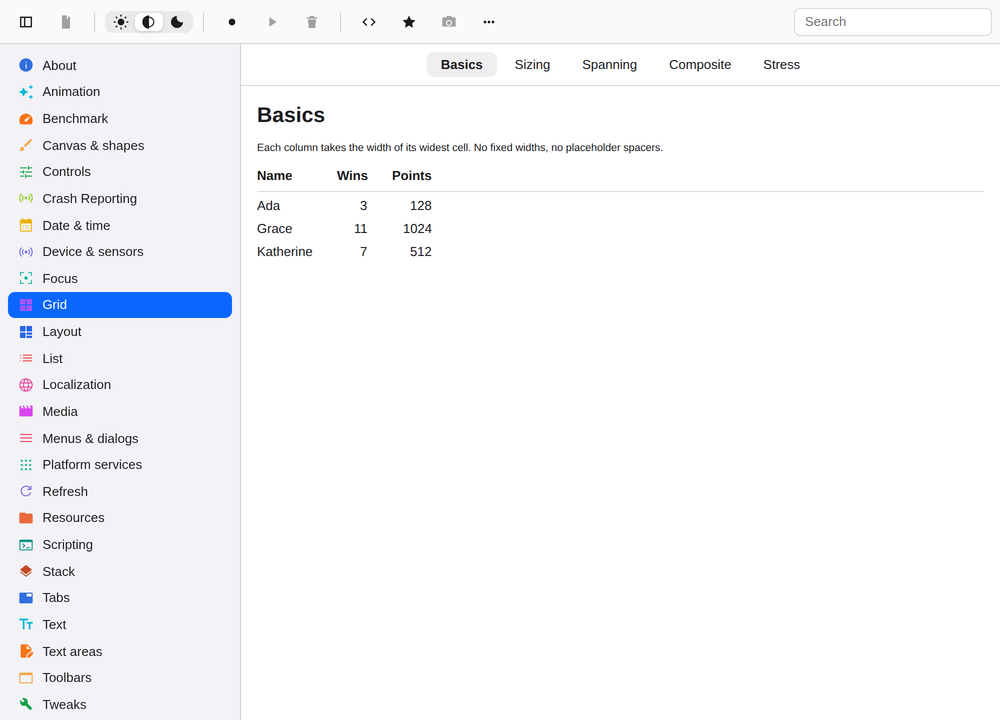
web-domThe WebAssembly build runs in the browser; this site hosts it as static files.
Day Showcase
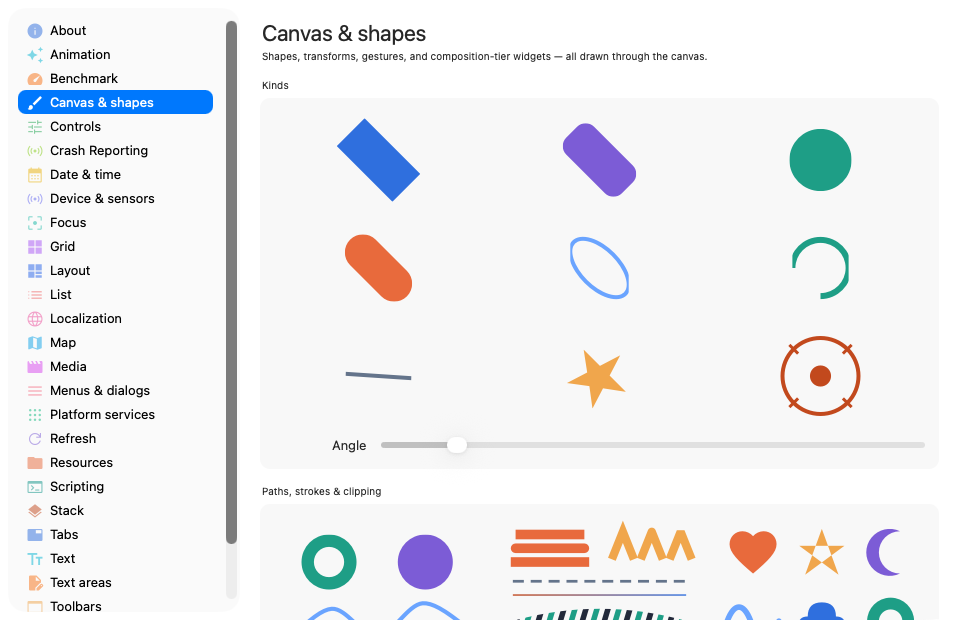
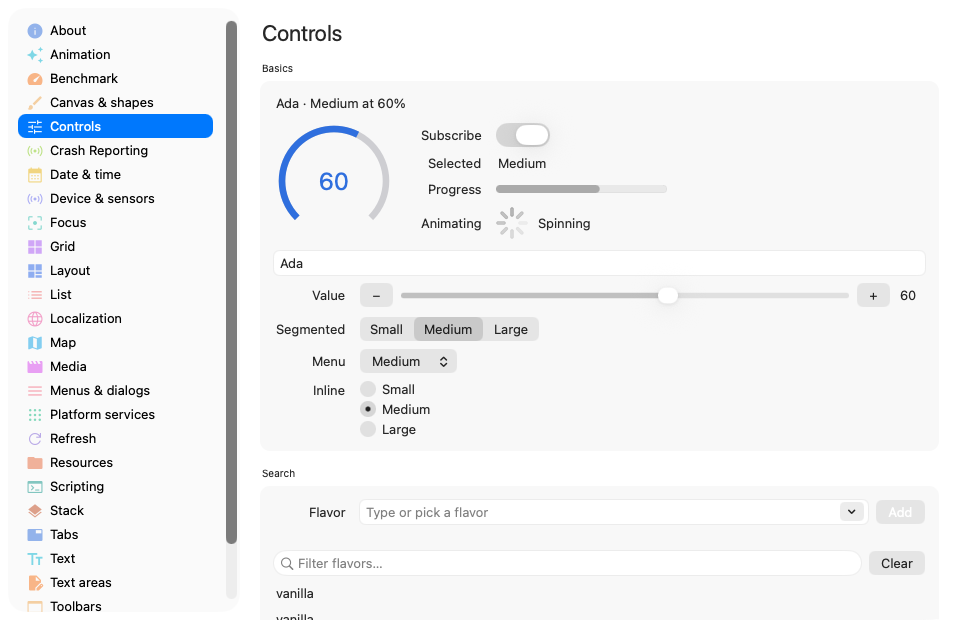
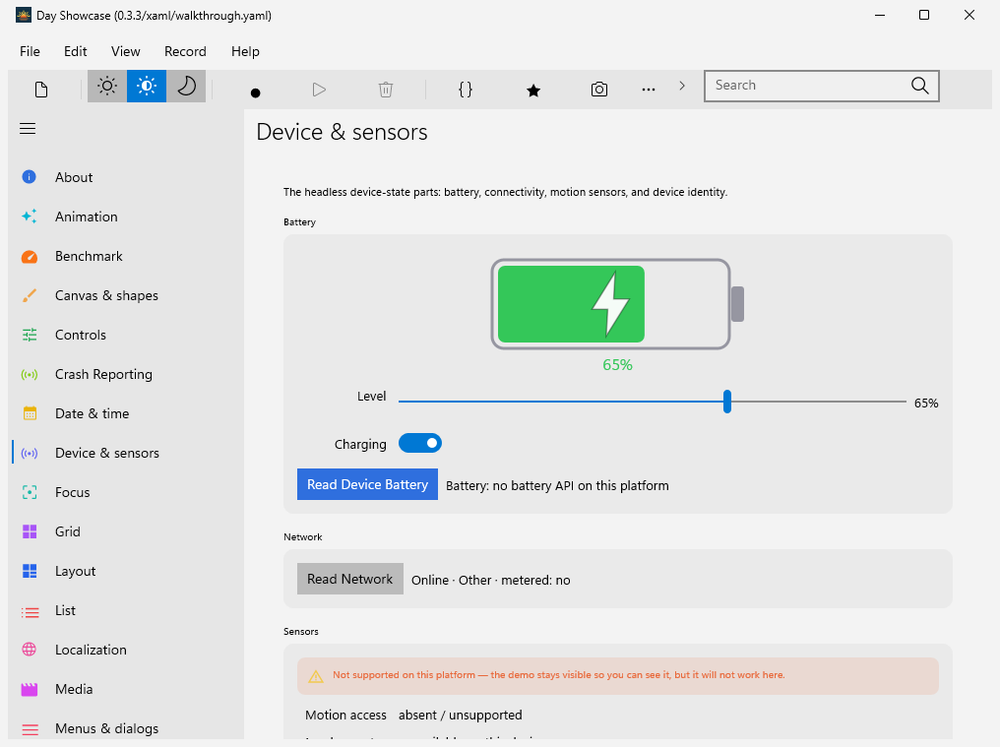
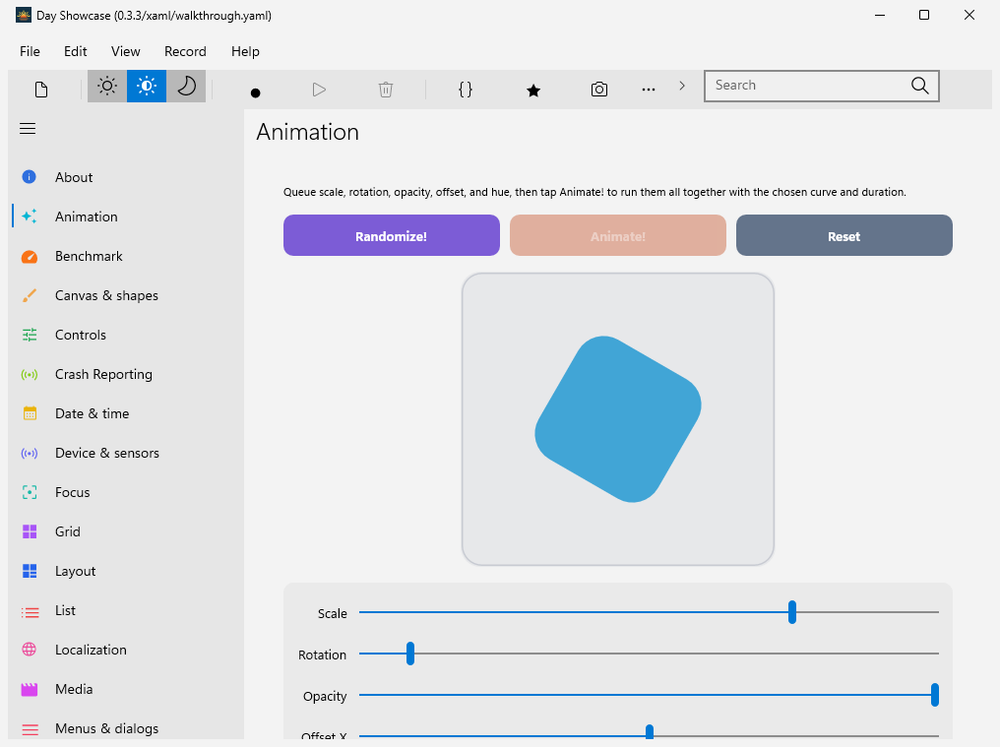
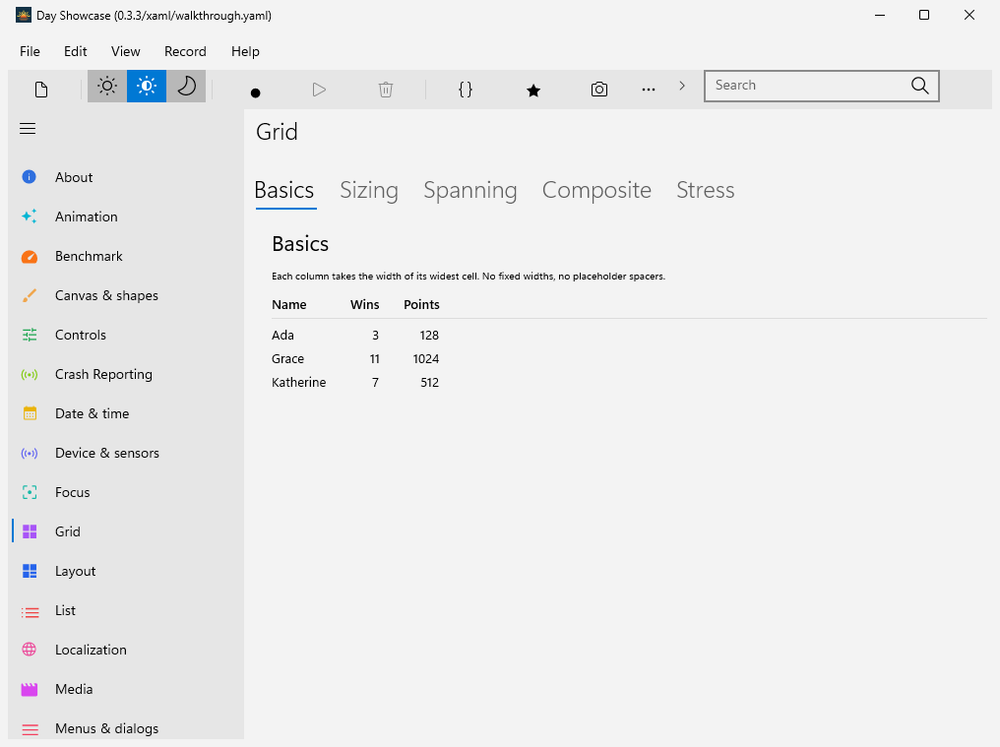
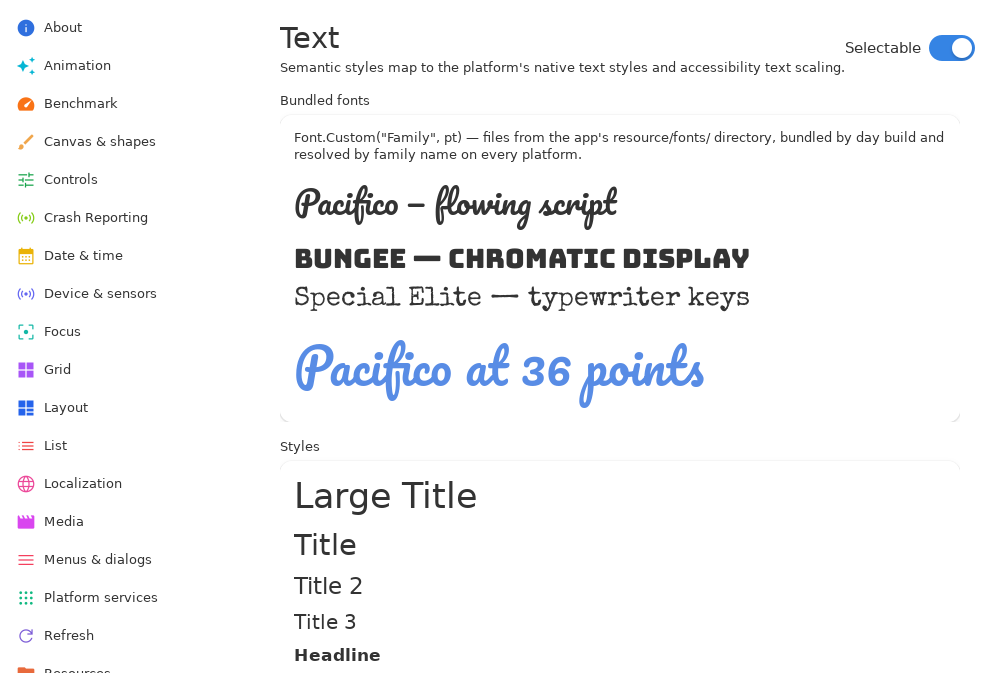
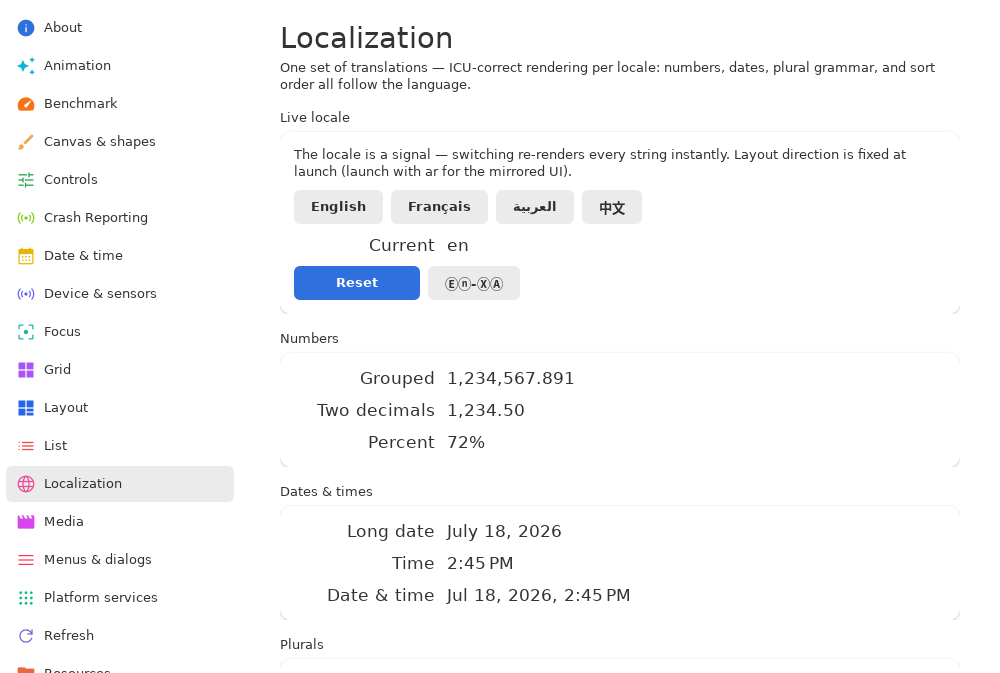
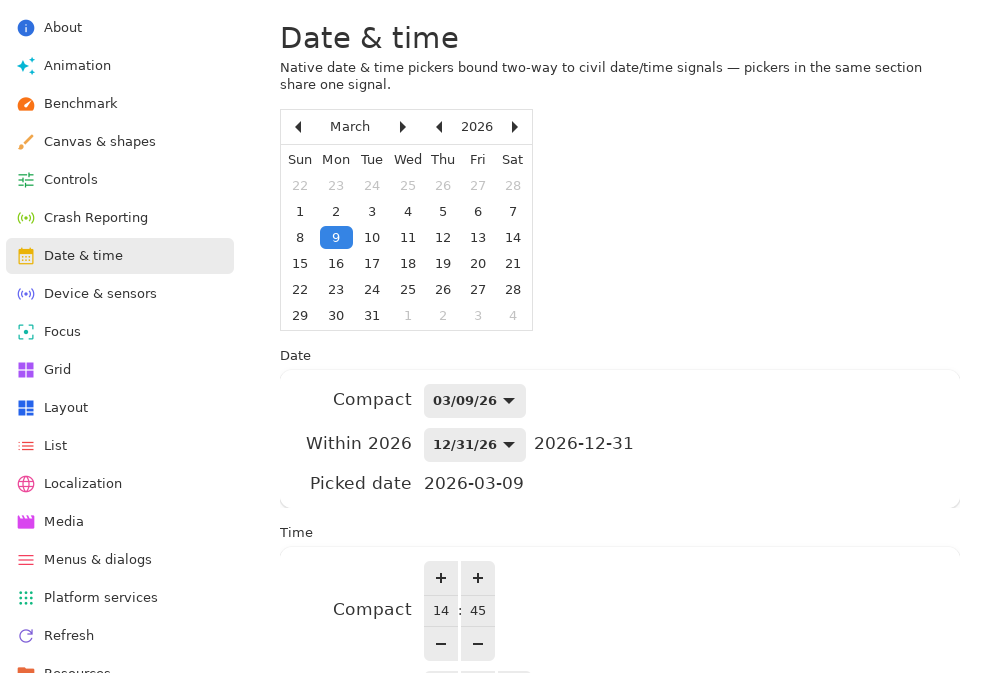
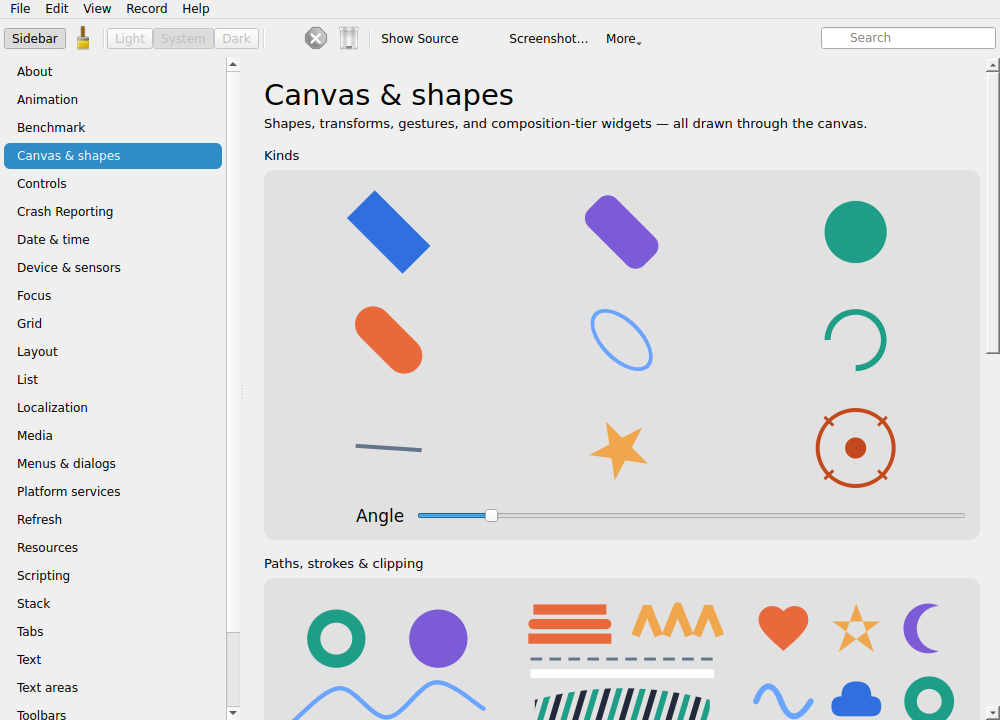
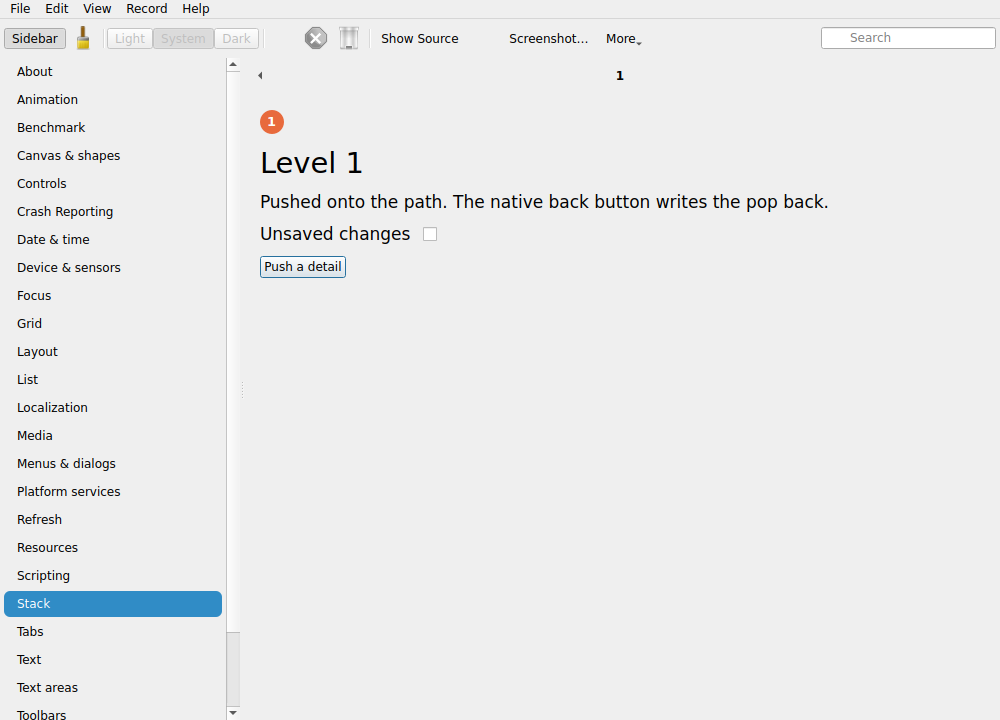
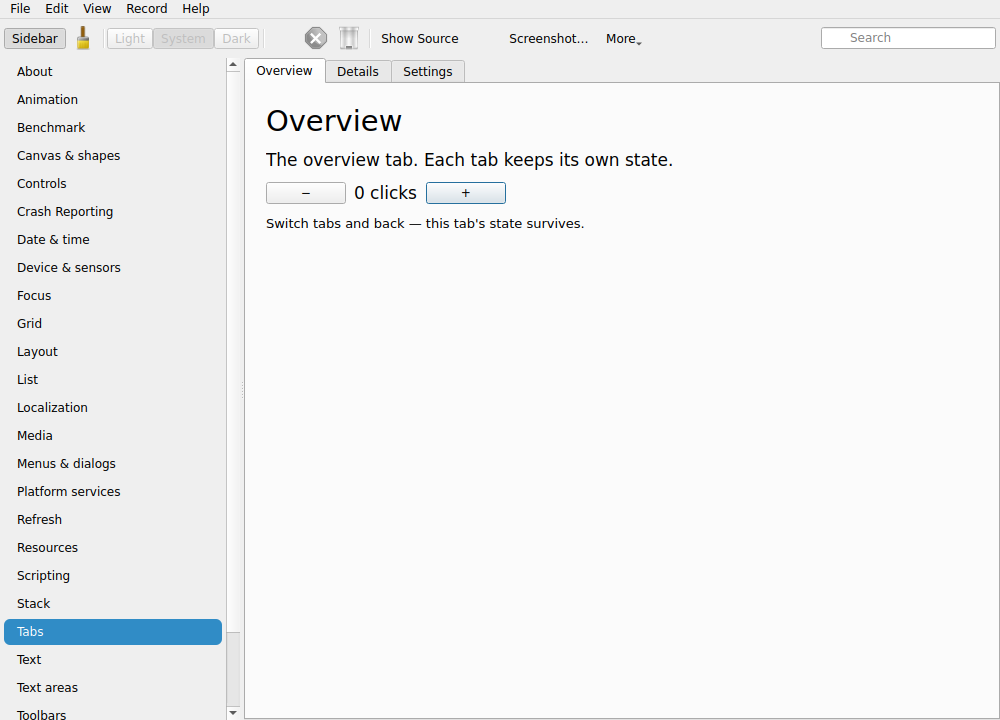
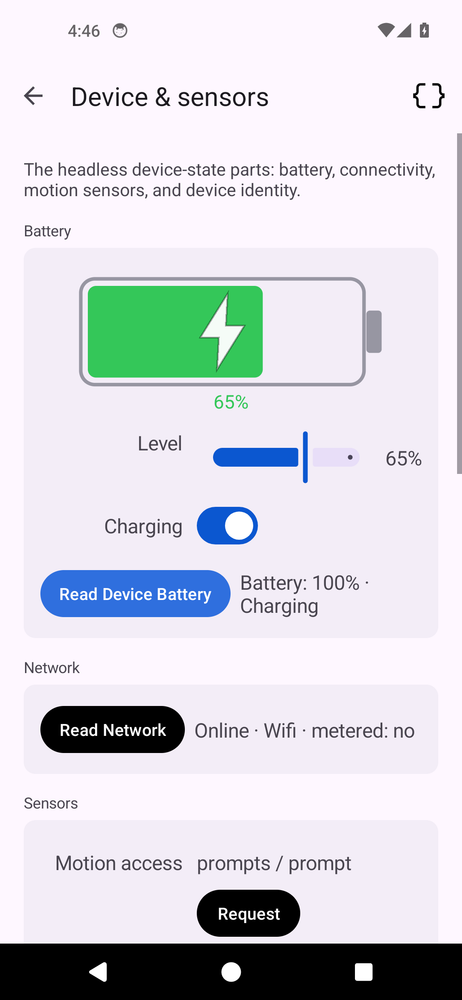
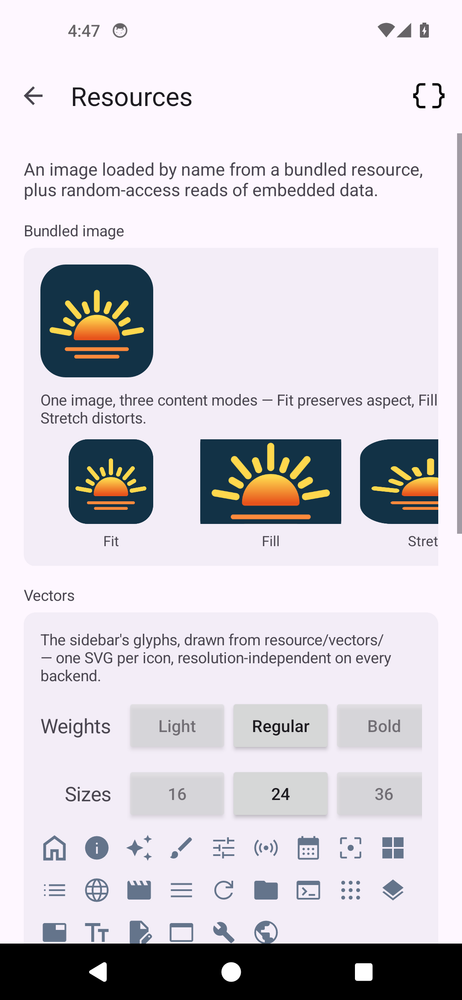
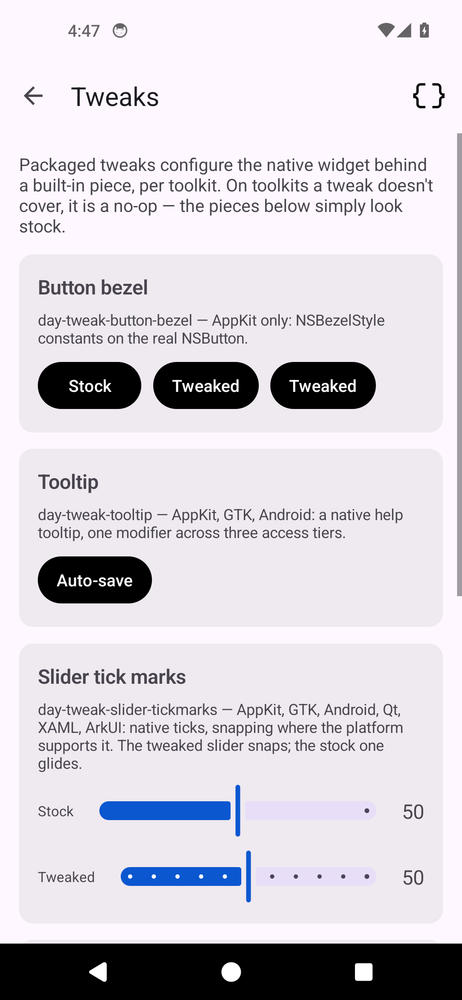
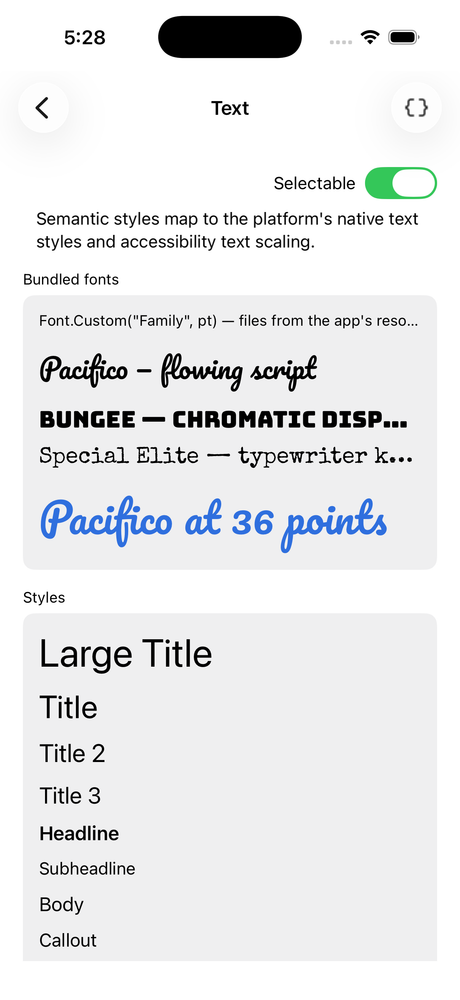
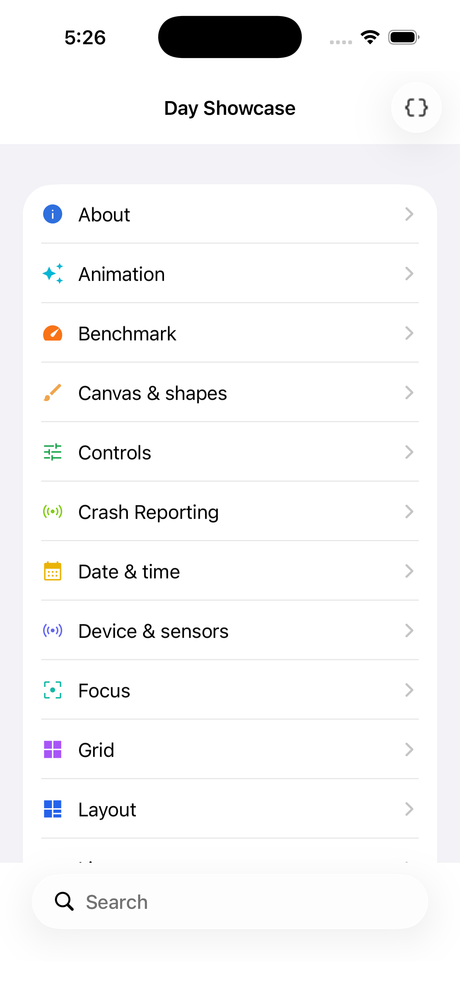
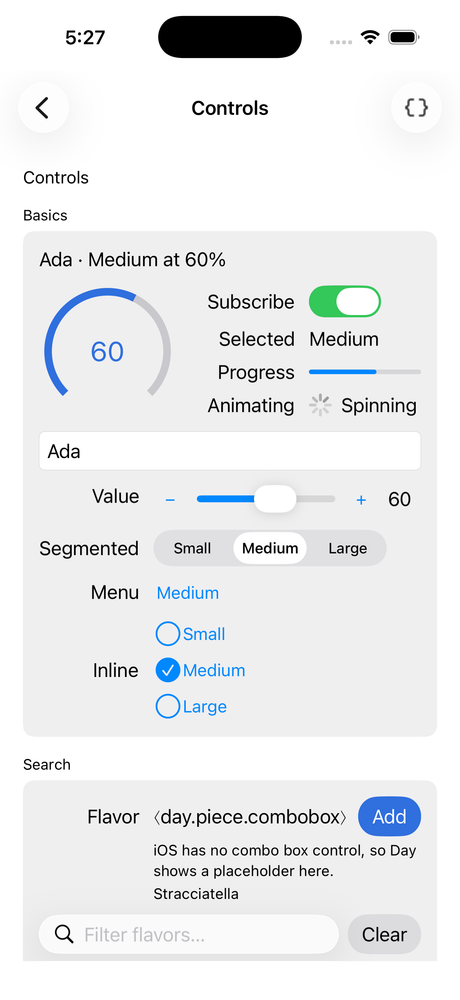
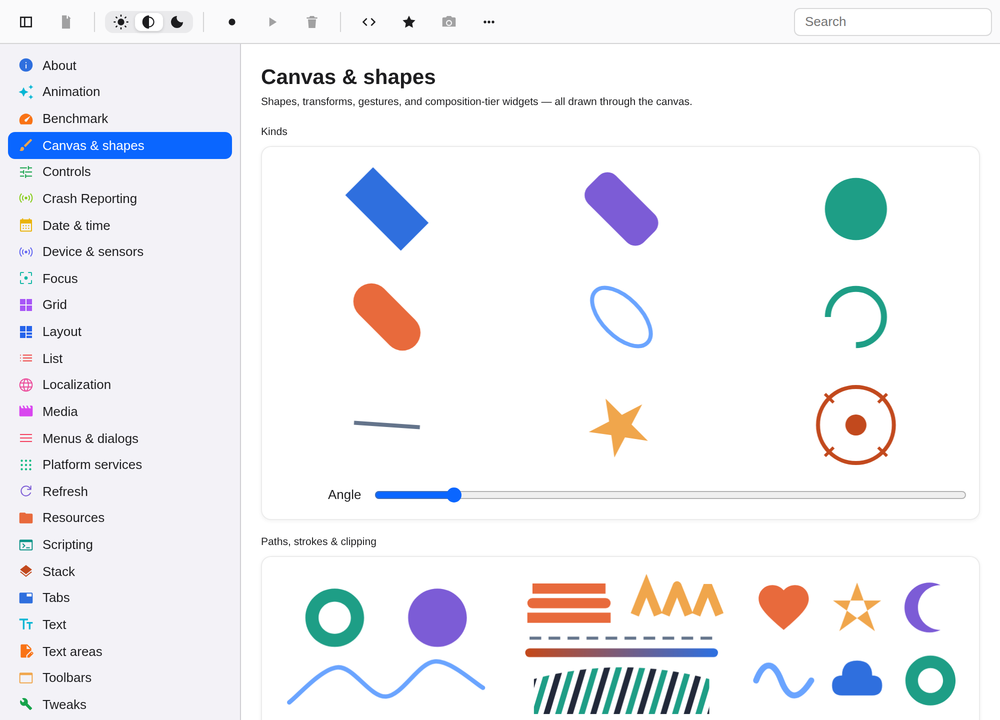
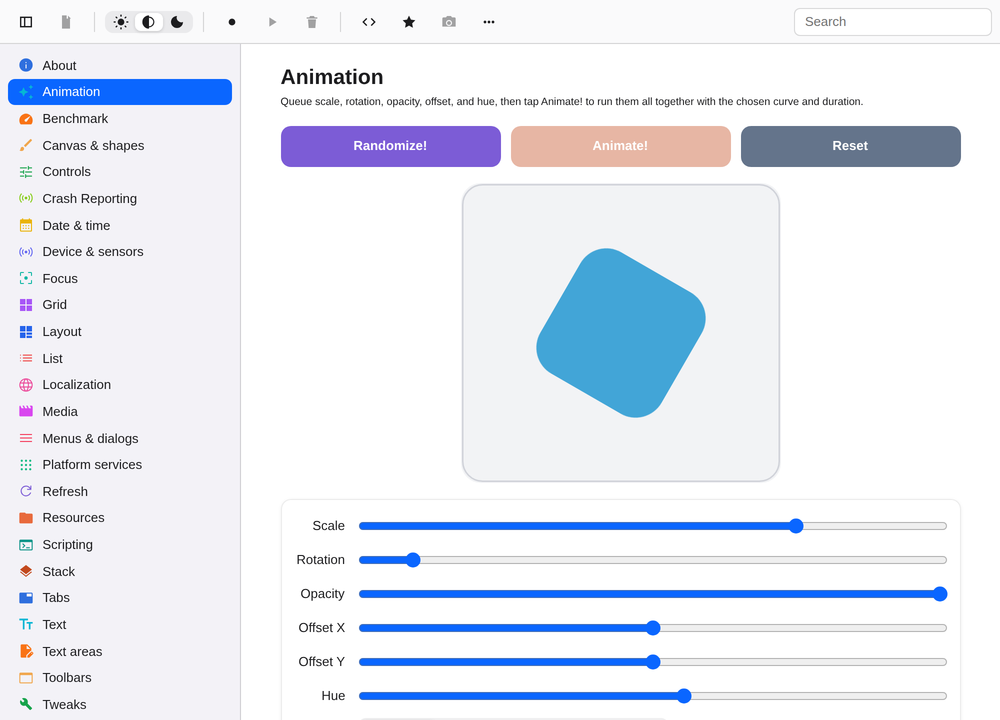
Day Showcase puts every piece the framework implements behind a native navigation host — controls, lists, text, canvas, media, maps, localization — from one Rust codebase. Nothing in it is drawn by Day: the switch on its Controls page is a UISwitch on iPhone, a MaterialSwitch on Android, and an NSSwitch on a Mac. It is the app in the gallery, and the fastest way to see what a Day app looks like on your own device. Each card below carries that platform's packages, its signing status, and what installing one takes.
Web
web-domThe WebAssembly build runs in the browser; this site hosts it as static files.
Android
android-mdc
Google Play installs and updates it like any other app. The .apk below is the same build for a device without Play: allow “Install unknown apps” for your browser or file manager when prompted, or use adb install. The .aab is the Play form (for bundletool, not direct install).
iOS & iPadOS
ios-uikit
Install through the App Store for automatic updates. The unsigned device .ipa below is the same build for sideloading: AltStore Classic or SideStore re-sign it with your own Apple ID on install, or sign it yourself and install via Xcode’s Devices window.
HarmonyOS
harmony-arkuiDevelopment-signed for the public OpenHarmony certificate: install on an emulator or developer device with hdc install <file>.hap.
macOS
macos-appkitOpen the .dmg and drag Day Showcase into Applications. The build is signed and notarized, so it opens like any other Mac app.
Windows
windows-xamlRun the -setup.exe. SmartScreen interjects for an unsigned installer: choose “More info”, then “Run anyway”. The .msix package needs the development certificate trusted first, so the setup.exe is the easier path.
Linux
linux-gtkAn executable bundled with GTK: chmod +x ./<file>.appimage and run it as an ordinary user, with nothing else installed. The release also carries a .flatpak for a desktop-integrated install.
Linux
linux-qtSame as the GNOME build, with Qt inside instead: chmod +x ./<file>.appimage and run it. A .flatpak is on the release too if you would rather install it through the desktop’s package system.
Downloads, unpacks, and launches the app.
curl -fsSL https://github.com/daybrite/Day-Showcase/releases/latest/download/launch.sh | bashirm https://github.com/daybrite/Day-Showcase/releases/latest/download/launch.ps1 | iexInstall the day CLI, then let it clone the repository, build the app, and run it on this machine's desktop target. The launch prints where it put the checkout, so you can open the code and change it.
cargo install day-cliday launch --git https://github.com/daybrite/Day-Showcase.gitBoth commands need a stable Rust toolchain (rustup). The first run compiles the framework and the app from scratch, so expect minutes rather than seconds. day doctor reports what this machine's toolkit is missing and prints the command that installs it, and System requirements lists them per platform.